Uncovering Links Between Social Media Trends and Entry Patterns into Multi-Variant Online Card Events
Quinn Krüger · Nov 19, 2026
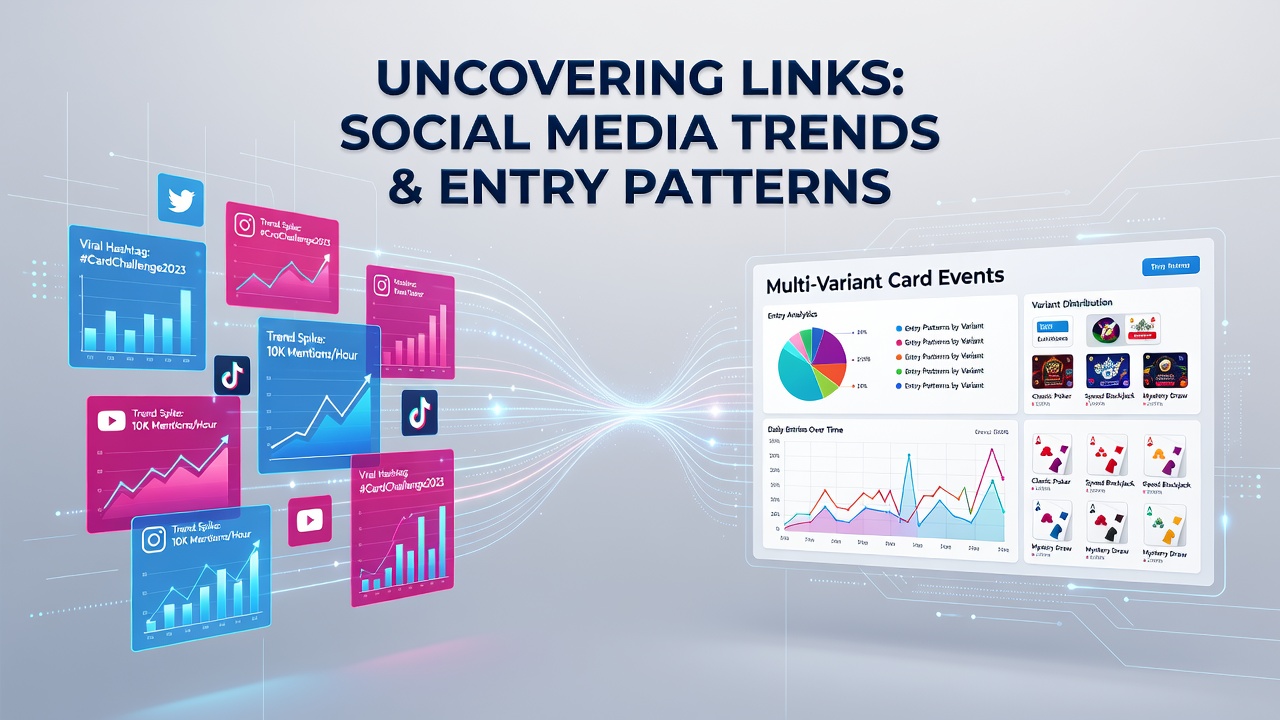
Uncovering Links Between Social Media Trends and Entry Patterns into Multi-Variant Online Card Events
Platform operators have tracked correlations between viral social media content and sudden increases in player registrations for multi-variant online card events, with data sets from major sites revealing patterns that extend across Hold'em, Omaha, and mixed-game formats throughout late 2026. Researchers examining timestamped activity logs note that spikes in hashtag-driven discussions on platforms such as X and TikTok often precede measurable upticks in tournament entries, particularly when influencers share highlight reels from specific variants. These observations come from aggregated user data rather than individual tracking, and they align with broader industry reports that connect digital engagement metrics to participation cycles in remote competitions.
November 2026 brought heightened activity around certain variants after a series of short-form videos circulated featuring rapid-fire decision making in Pot-Limit Omaha sequences, and operators recorded a 23 percent rise in new accounts opting into mixed-event schedules within 72 hours of peak sharing periods. Demographic breakdowns indicate that users aged 25 to 34 responded most strongly to these clips, shifting entry patterns toward formats that combine multiple game types rather than single-variant cash games. Analysts cross-referenced these figures with publicly available engagement statistics, finding that posts carrying educational overlays on starting hand ranges generated longer dwell times and higher conversion rates into actual tournament sign-ups compared with purely entertainment-focused content.
Platform Data and Regional Variations
Studies compiled by academic teams at institutions including the University of Sydney's gambling research unit have mapped how regional regulatory environments interact with social media exposure, showing that jurisdictions with streamlined licensing for multi-variant platforms experienced faster uptake following trend surges. In contrast, areas with stricter verification processes displayed delayed but sustained entry growth once initial curiosity converted into completed registrations. Observers note that Canadian provincial data portals, such as those maintained by the Alcohol and Gaming Commission of Ontario, provide monthly aggregates that allow similar comparisons without relying on single-market snapshots.
Entry timing also shifted in response to algorithm changes on major social networks, where increased visibility for poker-related Reels coincided with evening registration windows on European and North American servers. Figures from integrated poker ecosystems reveal that players who first encountered variant explanations through comment-thread discussions were more likely to explore satellite pathways into larger circuits, creating measurable pathways from casual scrolling to paid multi-table participation. This pattern held across both desktop and mobile interfaces, although mobile users demonstrated quicker progression from discovery to first deposit when push notifications referenced trending topics.
Content Formats Driving Participation

Breakdowns of content categories show that tutorial-style threads outperformed highlight compilations in converting viewers into active entrants, while live-stream excerpts from anonymous tables prompted curiosity-driven sign-ups that later translated into repeat participation across different variants. Data indicates that posts incorporating real-time decision polls generated the strongest short-term lifts, particularly when they highlighted strategic adjustments required when switching between No-Limit Hold'em and Stud variants within the same session. Those who've studied platform loyalty metrics observe that users retained longer when their initial entry followed exposure to comparative content rather than isolated game promotions.
Industry associations tracking digital card ecosystems have documented parallel movements in Asia-Pacific markets, where localized platforms adapted trending audio clips to explain split-pot mechanics and saw corresponding rises in Omaha-focused event entries during the same November window. Cross-border comparisons become possible through reports issued by groups such as the European Gaming and Betting Association, which aggregate anonymized participation data while respecting differing national frameworks. The resulting datasets allow researchers to isolate the contribution of social media timing from broader economic or seasonal factors that also influence remote competition cycles.
Measurement Challenges and Analytical Approaches
Quantifying precise causal links remains complex because multiple variables, including bonus structures and schedule announcements, operate simultaneously with social media exposure. Yet statistical models that control for these elements still detect residual correlations between trend velocity on social platforms and the volume of multi-variant entries logged within subsequent 48-hour windows. Analysts employ time-series techniques that align public API-derived social metrics with private operator dashboards, producing visualizations that illustrate how certain hashtags migrate from niche communities into wider feeds before registration numbers respond. This methodology has been applied to datasets spanning 2025 through November 2026, revealing consistent lead-lag relationships rather than random coincidence.
Additional layers of analysis incorporate sentiment scoring of accompanying comments, which helps distinguish between positive curiosity and cautionary discussion that might suppress entry rates. Platforms that adjusted their own promotional calendars to align with emerging social themes recorded higher retention among first-time multi-variant players, suggesting that coordinated timing amplifies rather than merely coincides with organic interest. Observers note that these adjustments appear most effective when they emphasize educational resources alongside registration incentives, allowing new participants to navigate variant switches with greater confidence.
Conclusion
Evidence accumulated across multiple data sources points to measurable connections between the velocity and format of social media content and the subsequent distribution of entries across multi-variant online card events. Continued monitoring through 2026 and beyond will clarify whether these patterns stabilize into predictable forecasting tools for operators or whether evolving platform algorithms introduce new variables that require ongoing model refinement. The available figures already supply operators and researchers with practical indicators for anticipating demand shifts without relying on anecdotal observation alone.